
 Back
Back 
Qur’an and Modern Science
Discover how Qur’anic guidance and Prophetic teachings align with contemporary research on health, wellness, and medical science, with NIH-referenced studies.
Where Faith Meets Science
Islam has long emphasized the balance between spiritual and physical health. Modern research now echoes many insights found in the Qur’an and Hadith - from mental wellness to nutrition and preventive medicine.


Al-Hijamah (Wet Cupping Therapy)
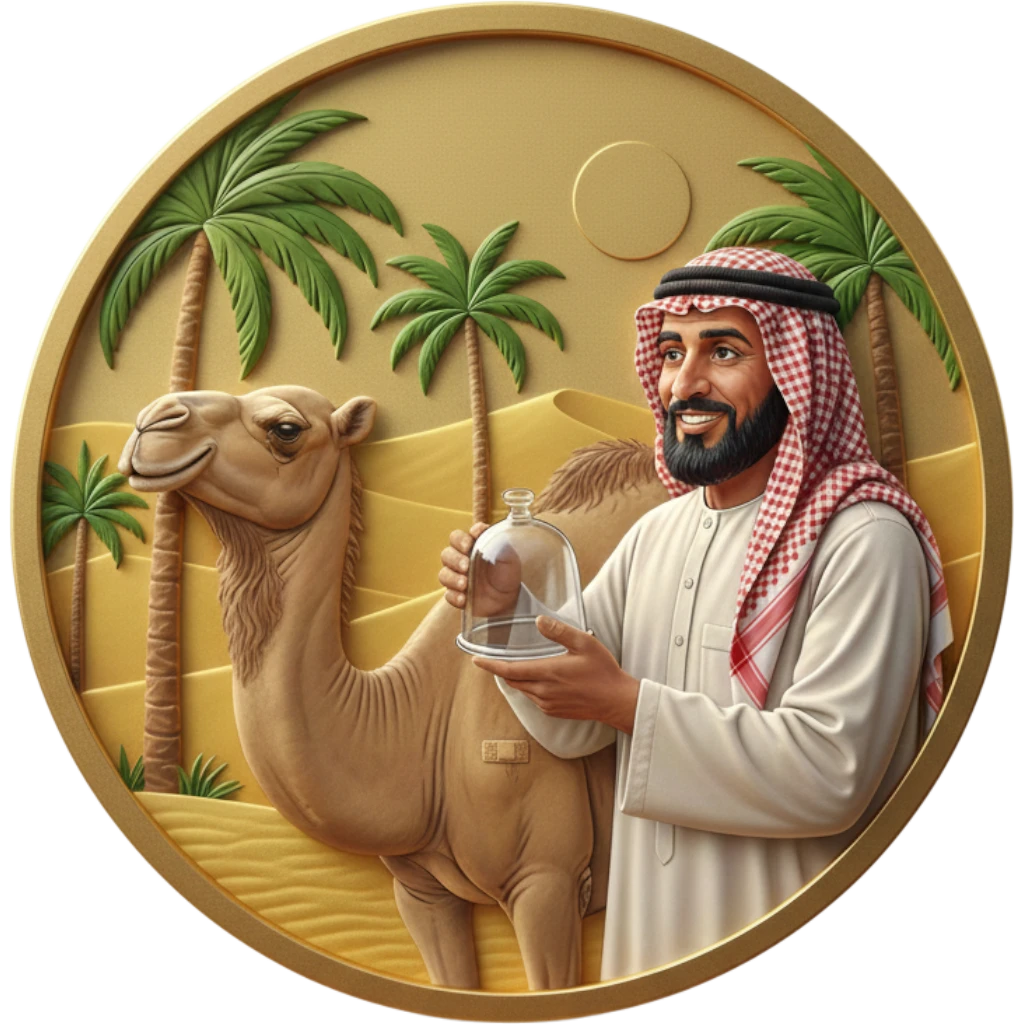 Wet cupping therapy (Al-Hijamah) has been shown to reduce oxidative stress, alleviate pain, and improve hematological parameters in various conditions, including viral hepatitis and polycystic ovary syndrome.
Hadith References:
Narration :The Prophet Muhammad (PBUH) said: 'If there is benefit in any of your medicines, it is in cupping, honey, and cauterization.'
Modern Research:
Category:
Prophetic Medicine & HealingNigella Sativa (Black Seed)
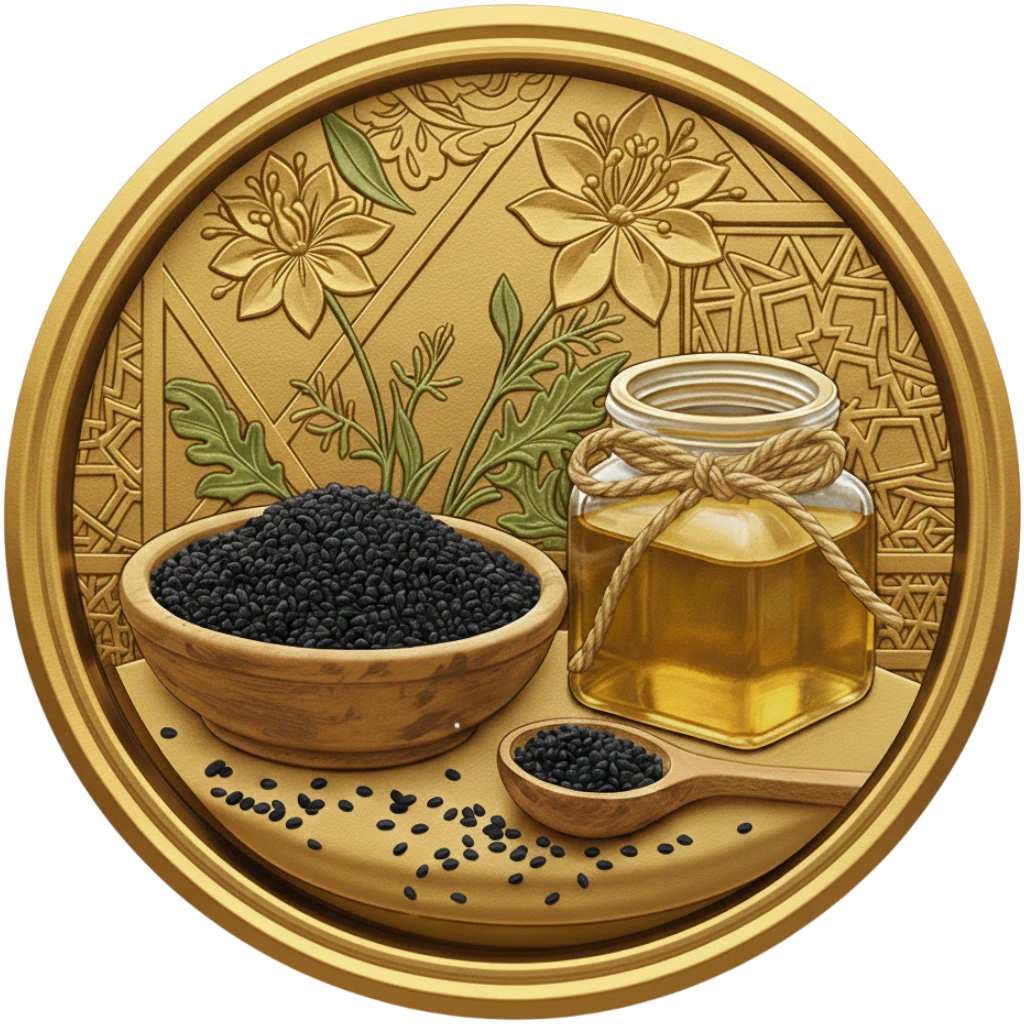 Nigella sativa has demonstrated antioxidant, anti-inflammatory, and immunomodulatory effects. Clinical studies support its use in managing asthma, allergic rhinitis, and metabolic disorders.
Hadith References:
Narration :The Prophet Muhammad (PBUH) said: 'Use this black seed, for indeed it is a cure for every disease except death.'
Modern Research:
Category:
Prophetic Medicine & HealingOlive Oil in Prophetic Medicine
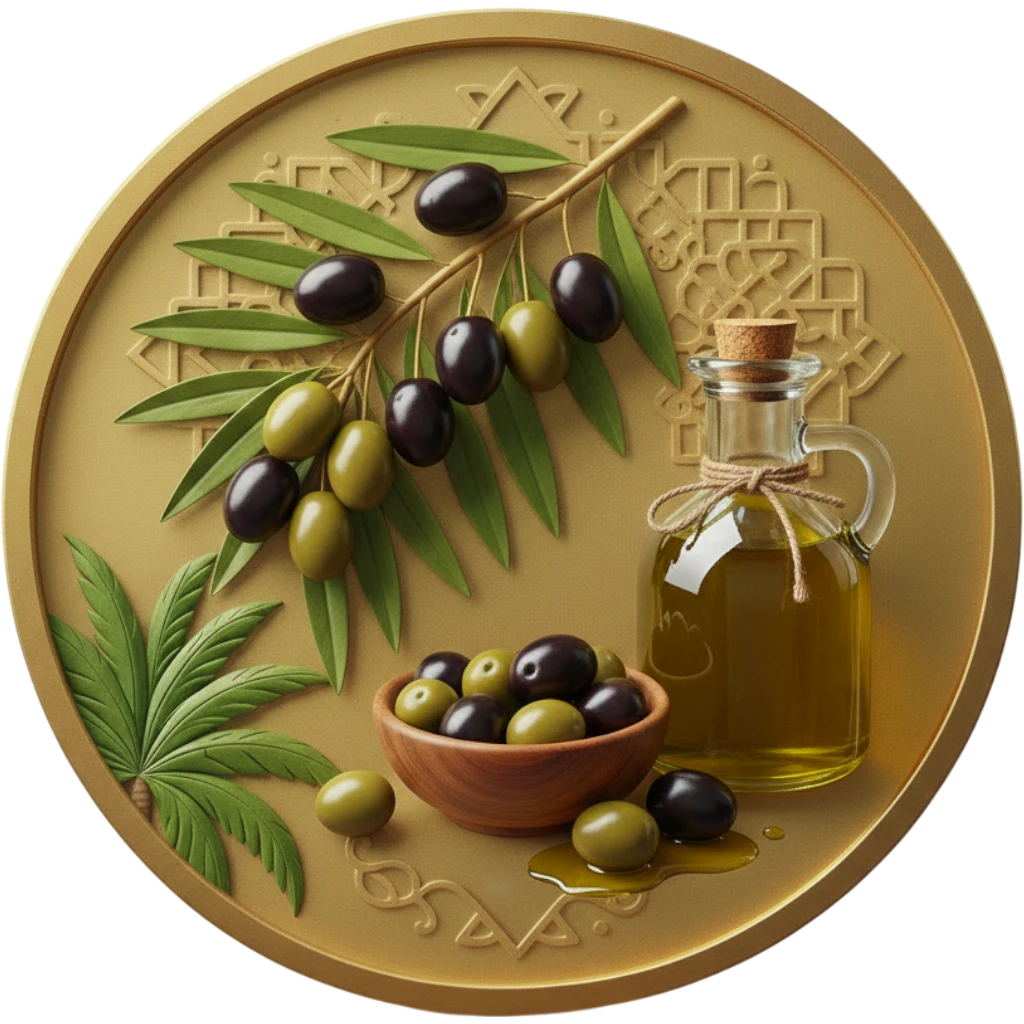 Olive oil (from Olea europaea) holds a significant place in Prophetic Medicine: classical sources report that the Prophet (ﷺ) encouraged both ingesting and applying it, describing it as a blessing from a “blessed tree”. Modern scientific investigations support many of its health-promoting attributes. Clinical and experimental studies show that extra-virgin olive oil (EVOO) is rich in monounsaturated fats and bioactive phenolic compounds (such as hydroxytyrosol, oleuropein, oleocanthal) which exhibit anti-inflammatory, antioxidant, cardioprotective, neuroprotective and anticancer effects. While the Prophetic-narration claims a remedy for “seventy diseases” and topical use in various ailments, modern research confirms broad benefits (especially for cardiovascular health, metabolic syndrome, neurodegenerative risk, and some gastrointestinal disorders) though not strictly in the same terms. The traditional guidance aligns remarkably well with a current understanding of olive oil as a functional food and therapeutic adjunct.
Quran References:
Hadith References:
Narration :The Prophet (ﷺ) said: “Eat the olive oil and apply it (locally), for it is from a blessed tree.”
Modern Research:
Category:
Prophetic Medicine & HealingDates in Prophetic Medicine
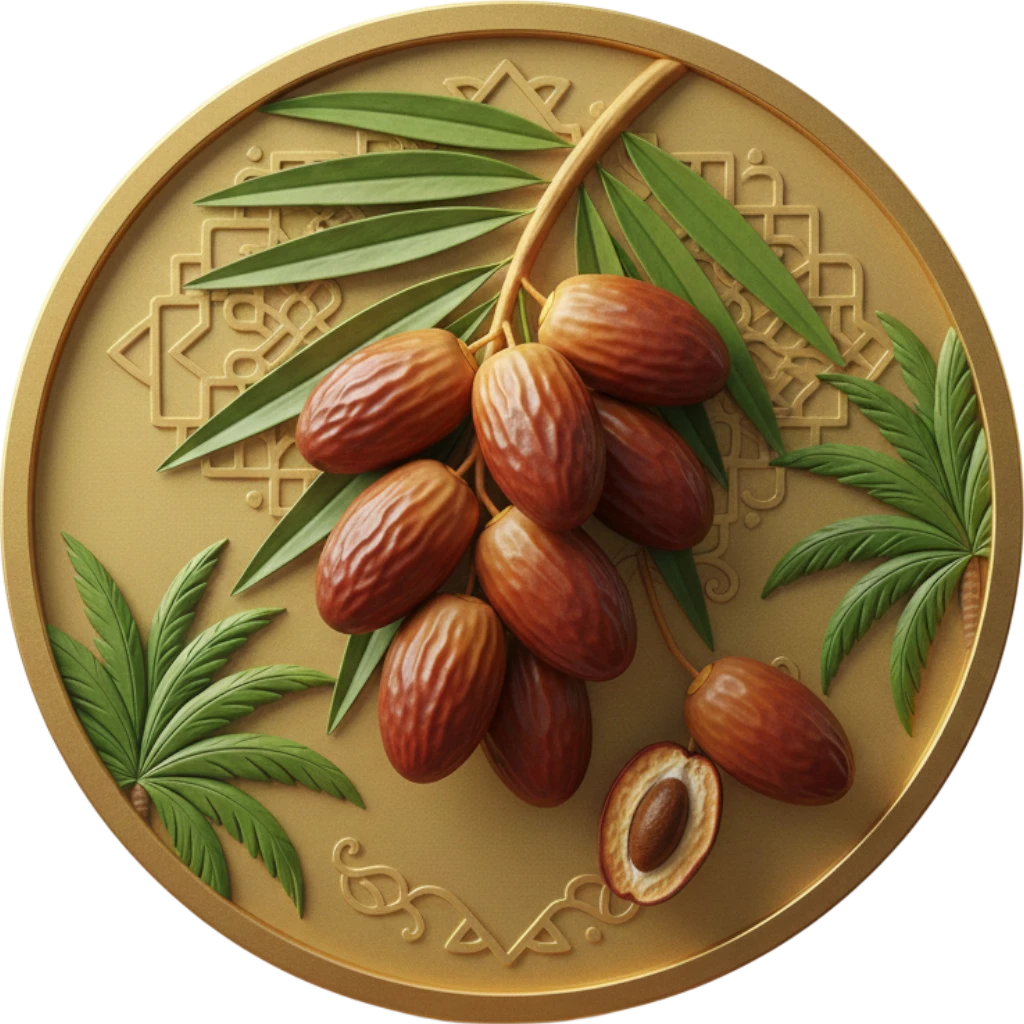 Dates—and especially the Ajwa variety—are highlighted in Prophetic medicine for their spiritual protection and nutritional benefits. Modern pharmacological research supports many of these benefits: Ajwa date extracts have shown antioxidant, anti-inflammatory, antidiabetic and hypolipidemic effects, beneficial effects on lipid profile, liver and kidney protection, and rich micronutrient content. While the exact protection against poison or magic cannot be scientifically validated in the same terms, the biological benefits provide a plausible basis for the traditional recommendation.
Quran References:
Hadith References:
Narration :The Prophet (ﷺ) said: 'Whoever eats seven Ajwa dates in the morning, neither magic nor poison will harm him that day.' He also used to break his fast with fresh dates before praying.
Modern Research:
Category:
Prophetic Medicine & HealingHoney in Prophetic Medicine
 Honey exhibits antimicrobial, anti-inflammatory, and wound-healing properties. Studies confirm its efficacy in treating gastric ulcers and deep neck abscesses.
Quran References:
Hadith References:
Narration :The Prophet Muhammad (PBUH) said: 'Make use of medical treatment, for Allah has not made a disease without appointing a remedy for it, except for one disease, namely old age.'
Modern Research:
Category:
Prophetic Medicine & HealingThe Effect of Islamic Lifestyle on Physical and Mental Health
 Islamic health principles, encompassing physical, mental, and spiritual aspects, align with modern lifestyle components recognized by the World Health Organization, promoting overall well-being.
Quran References:
Hadith References:
Narration :A strong believer is better and more beloved to Allah than a weak believer, while there is good in both.
Modern Research:
Category:
Islamic Health & LifestyleDaily Practices to Enhance Spiritual and Physical Well-being
 This guide provides a comprehensive overview of Islamic habits and practices that contribute to both spiritual and physical well-being, emphasizing the holistic approach of Islam to health.
Quran References:
Hadith References:
Narration :Your body has a right over you.
Modern Research:
Category:
Islamic Health & LifestyleBig Bang & Qur’an — Cosmology and Creation (with PMC Research)
 The Qur’an describes the heavens and earth as once joined and then separated (21:30), refers to the heavens being ‘expanded’ (51:47), and likens the early sky to smoke (41:11). Modern cosmological research supports these ideas. For example, studies on the **Cosmic Microwave Background (CMB)** (PMC5253920) show that the universe was once extremely hot and dense and then cooled as it expanded. Observational evidence of galaxy recession (PMC314128, PMC4371983) confirms Hubble’s discovery of cosmic expansion. Computational cosmology (PMC5255573) models the universe’s evolution from an initial singularity (or near-singularity) through expansion phases, mirroring the Qur’anic theme of a cosmic beginning and growth. While these scientific papers do not reference religious texts, their findings resonate closely with the Qur’anic descriptions of the early universe.
Quran References:
Modern Research:
Category:
Faith Meets Modern ResearchFaith, Health, and Well-being
 This qualitative study explores the perspectives of Muslim scholars on the importance of engaging in physical activity for health and well-being from an Islamic perspective.
Modern Research:
Category:
Islamic Health & LifestyleObesity and Lifestyle Recommendations in Islam
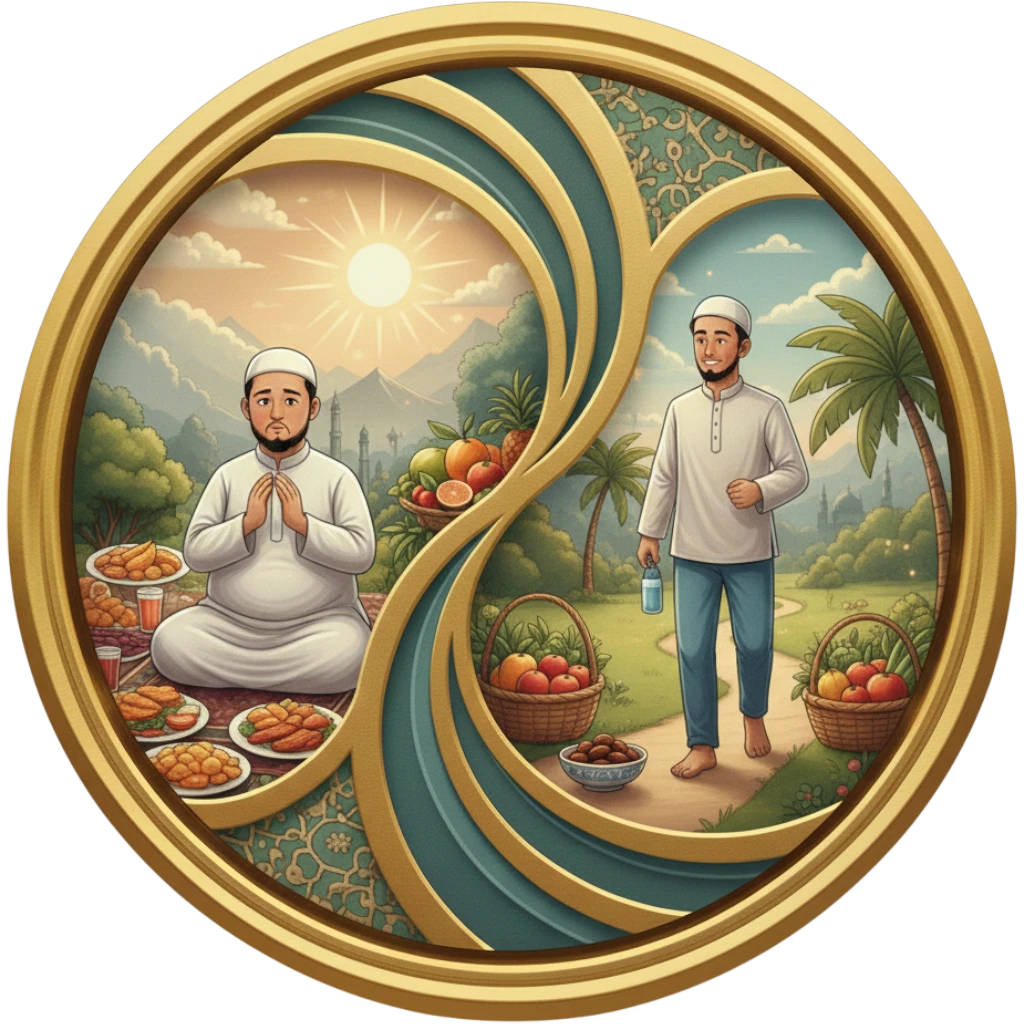 This article discusses the rise of obesity in Muslim countries and provides lifestyle recommendations based on Islamic teachings to promote healthy living and prevent obesity.
Quran References:
Modern Research:
Category:
Islamic Health & LifestyleThe Interaction of Faith and Science Mindsets
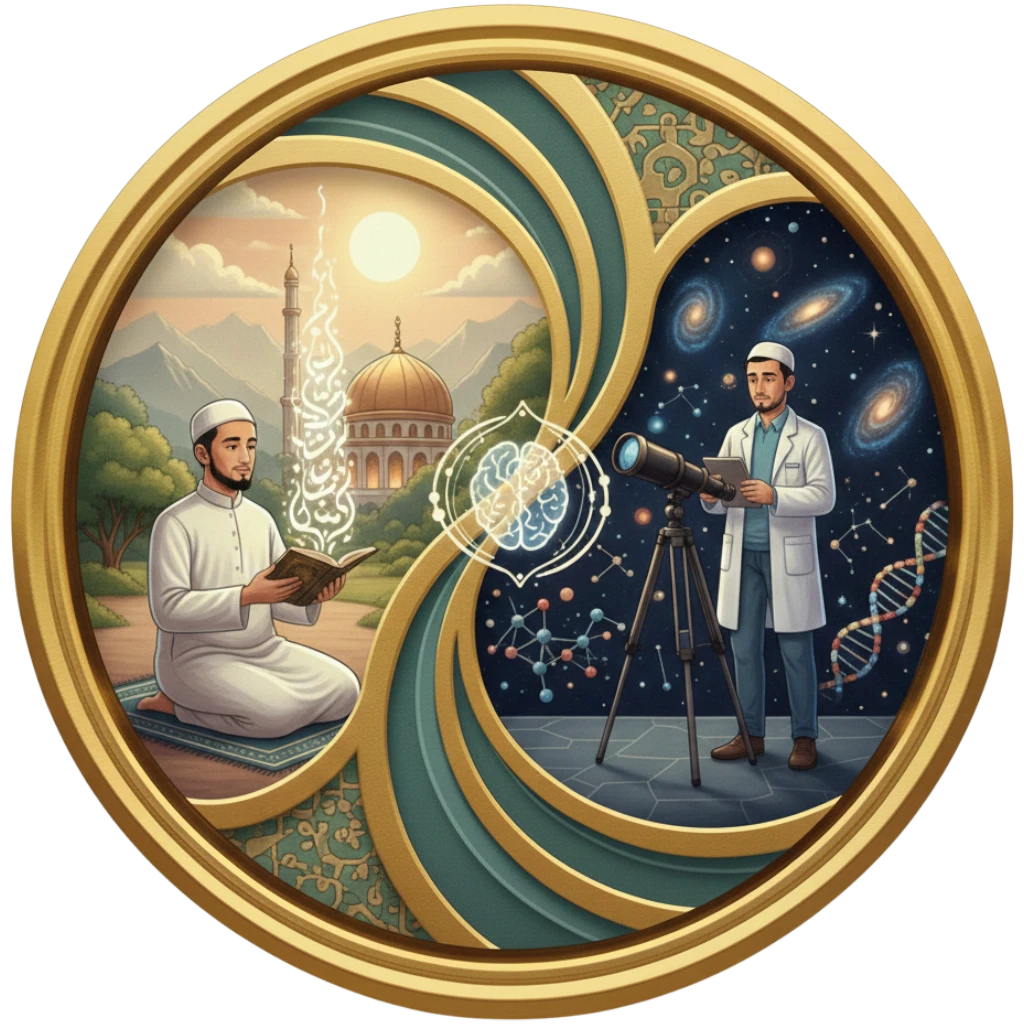 This study examines how faith and science mindsets interact. The Quran encourages observation, understanding, and reasoning in order to strengthen belief and informed decision-making.
Quran References:
Modern Research:
Category:
Faith Meets Modern ResearchQur'an as Healing (general)
 Verse 17:82 calls the Qur'an 'a healing and a mercy.' Clinical and review studies report reductions in anxiety, stress and improved wellbeing associated with listening, reciting, or memorizing Qur'anic text, supporting psychological/non-pharmacological benefits.
Quran References:
Modern Research:
Category:
Scientific Miracles in the QuranFormation of Mountains — Stability of the Earth’s Crust
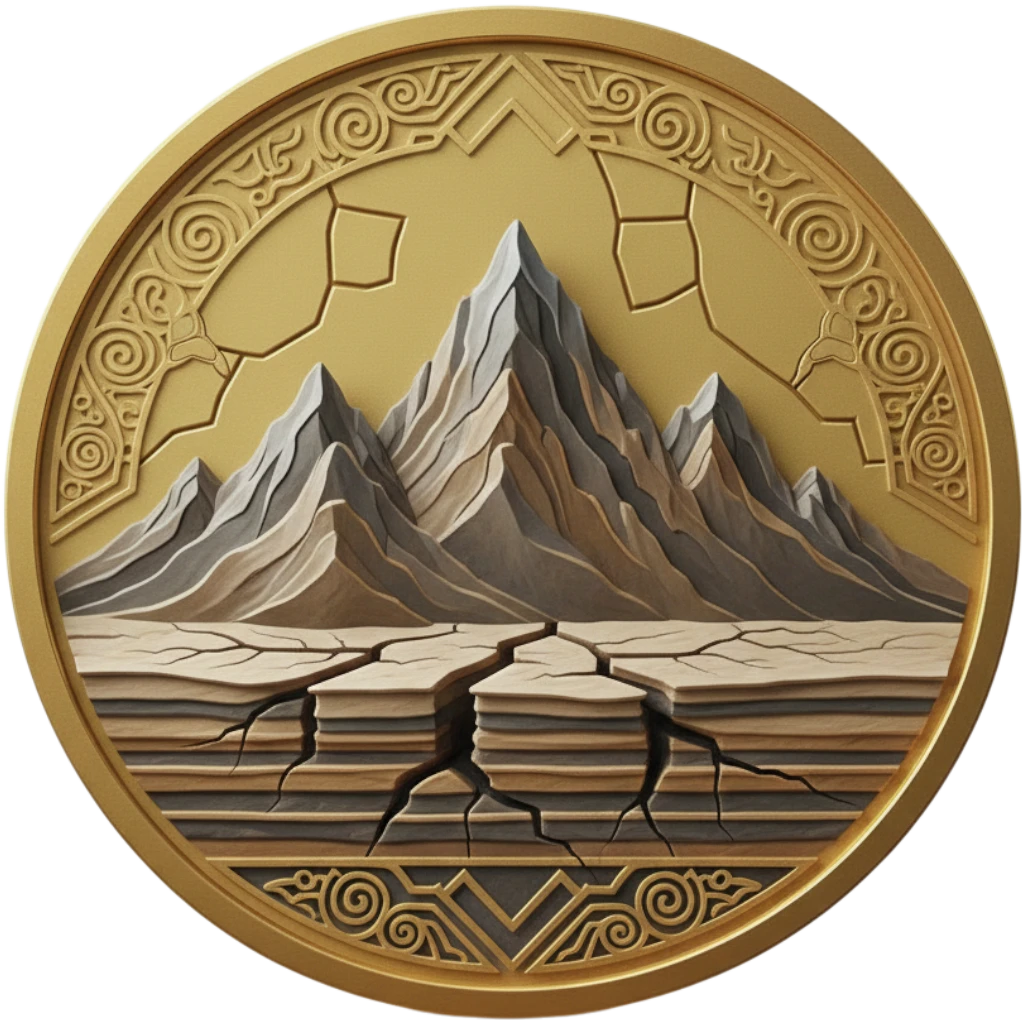 The Qur’an describes mountains as 'pegs' that stabilize the Earth — imagery remarkably consistent with modern geology. Scientific research on plate tectonics and isostasy confirms that mountains, with deep roots extending into the mantle, help maintain crustal equilibrium and contribute to the planet’s geological stability.
Quran References:
Modern Research:
Category:
Scientific Miracles in the QuranEarth’s Water Cycle — Life Sustenance and Balance
 The Qur’an vividly describes the water cycle — rain sent down, absorbed by the Earth, and reviving vegetation. Hydrological research affirms this continuous cycle as vital for sustaining life, regulating climate, and maintaining ecological balance, reflecting divine wisdom in natural design.
Quran References:
Modern Research:
Category:
Scientific Miracles in the QuranAtmospheric Layers — Protection and Balance
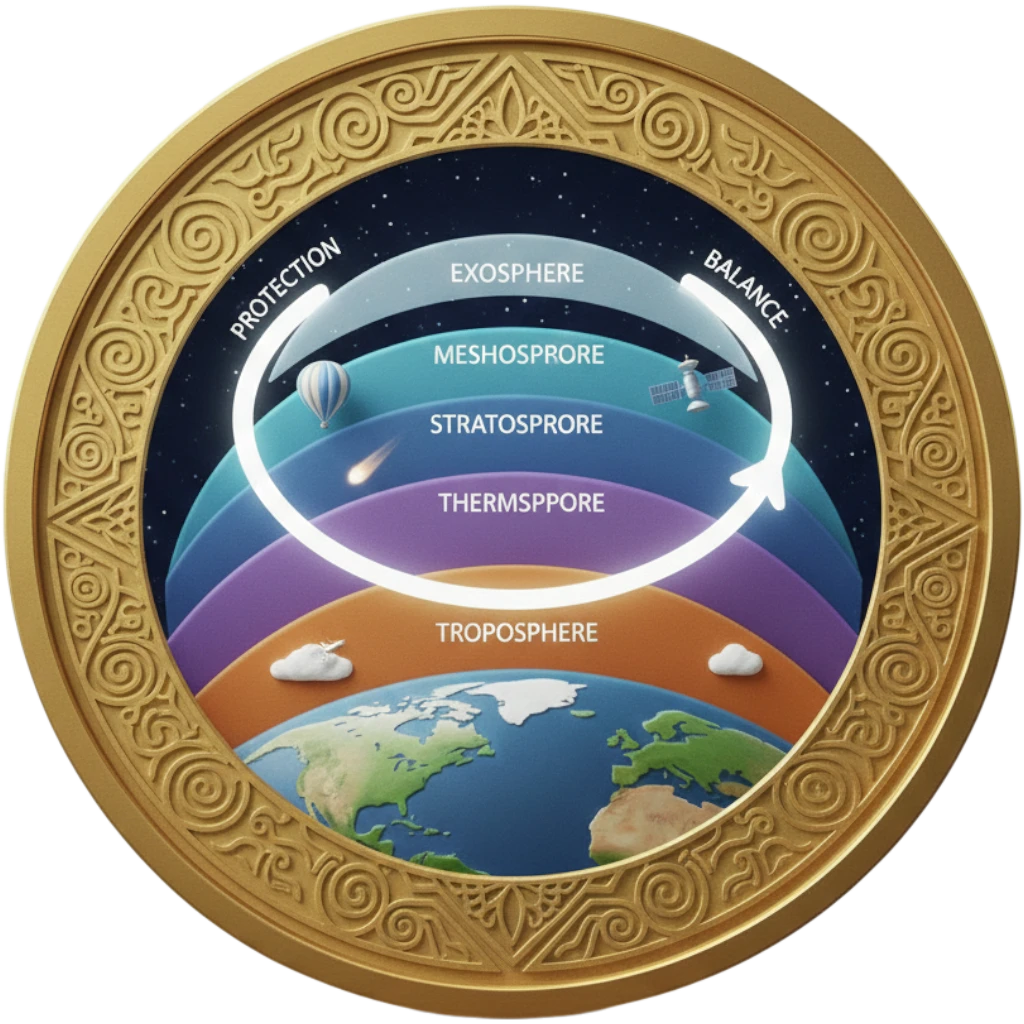 The Qur’an describes the sky as a protective canopy and a system of ordered layers. Modern atmospheric science reveals that Earth's atmosphere comprises multiple layers — the troposphere, stratosphere, mesosphere, thermosphere, and exosphere — each serving crucial protective roles, from filtering harmful radiation to stabilizing temperature and enabling life. This harmony between revelation and research reflects divine precision in the balance of creation.
Quran References:
Modern Research:
Category:
Scientific Miracles in the QuranOrigin of Life from Water — Qur’anic Revelation and Modern Biology
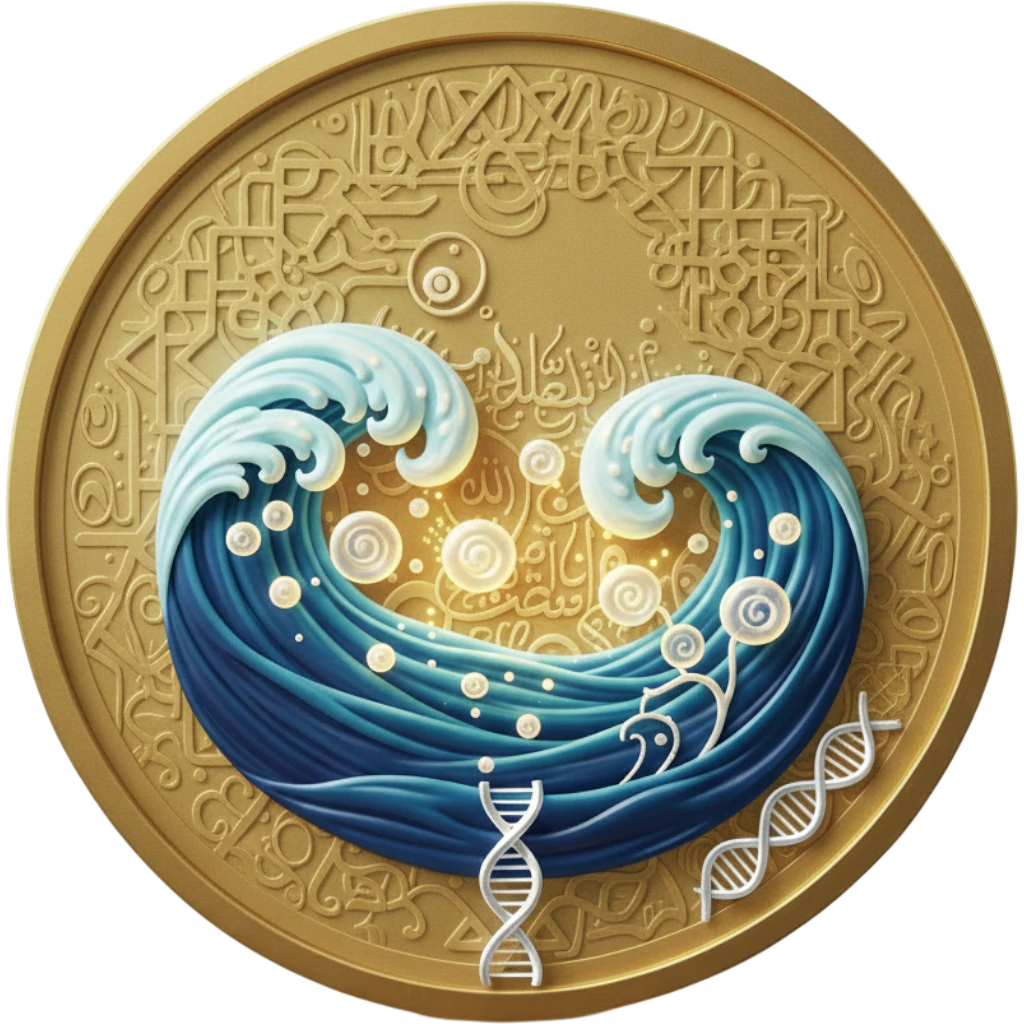 The Qur’an states that all living beings were created from water — a claim consistent with modern biological understanding that water is the essential medium for life. Research in molecular biology, biochemistry, and astrobiology confirms that water’s unique chemical properties enable cell formation, metabolic reactions, and the stability of biomolecules. Life on Earth, from microorganisms to humans, depends entirely on water for origin and sustenance.
Quran References:
Modern Research:
Category:
Scientific Miracles in the QuranQur'anic Recitation & Anxiety / Preoperative Calm
 Verse 13:28 notes the heart's tranquility through remembrance. Trials and systematic reviews show Qur'anic recitation/listening can reduce preoperative anxiety and general anxiety symptoms among Muslim patients.
Quran References:
Modern Research:
Category:
Scientific Miracles in the QuranNutrition — Dates and Oasis Foods (general nutrition)
Qur'an and Hadith reference dates and wholesome foods; nutritional analyses show dates provide fiber, micronutrients and antioxidants, supporting energy and maternal nutrition in traditional diets.
Quran References:
Hadith References:
Narration :The Prophet recommended certain foods (dates, olive oil) and advised balanced diet and moderation.
Reference :Sunan and other collections (general)
Modern Research:
Category:
Prophetic Medicine & HealingProphetic Medicine — Honey (topical & oral)
Honey is praised in scripture and hadith. Modern reviews support honey's antimicrobial, anti-inflammatory and wound-healing effects (clinical and lab evidence, including medical-grade honey).
Quran References:
Hadith References:
Narration :The Prophet recommended use of honey as a remedy (various authentic chains mention honey's benefits).
Modern Research:
Category:
Prophetic Medicine & HealingOlive Oil — cardiometabolic benefits
Olive oil appears in Qur'anic imagery and tradition. Systematic reviews and cohort analyses show extra-virgin olive oil consumption is associated with lower cardiovascular risk and beneficial lipid/metabolic effects.
Quran References:
Modern Research:
Category:
Prophetic Medicine & HealingFasting (Ramadan) — metabolic & cardiovascular effects
 Fasting during Ramadan is a prescribed act of worship. Studies report many metabolic changes — weight, insulin sensitivity and lipid profile may improve in some groups, though results vary by diet, sleep and comorbidity.
Quran References:
Modern Research:
Category:
Islamic Health & LifestyleHygiene & Ablution (Wudu) — infection control
 Ritual washing (wudu) embeds frequent hand/face/foot washing in daily life. Public-health literature highlights handwashing's role in reducing transmissible infections — a cultural practice aligning with infection prevention.
Quran References:
Hadith References:
Narration :The Prophet emphasized cleanliness as part of faith.
Reference :Sahih Muslim / Sahih Bukhari (general)
Modern Research:
Category:
Islamic Health & LifestyleBreastfeeding — Qur'anic guidance and health outcomes
 Qur'an specifies recommended breastfeeding duration. Contemporary studies show exclusive breastfeeding's advantages for infant immunity, nutrition and maternal health; Islamic guidance supports these public-health aims.
Quran References:
Modern Research:
Category:
Islamic Health & LifestyleEmbryology — Qur'anic verses on human development
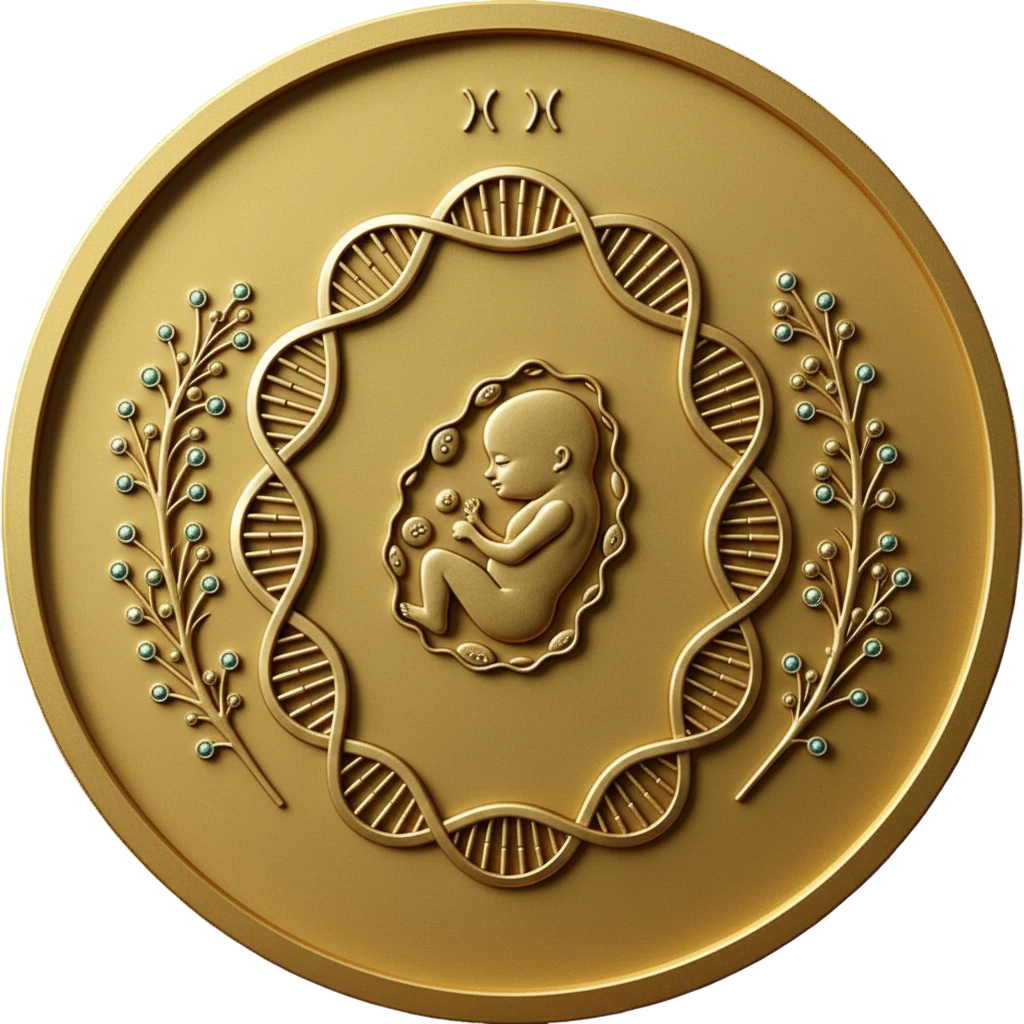 The Qur’an vividly describes human creation in progressive stages — from a drop (nutfah) to a clot-like form (‘alaqah), to a lump (‘mudghah’), and then into bones clothed with flesh. Modern embryology confirms that human development follows these sequential morphological transformations, each governed by complex molecular and genetic processes. The Qur’anic depiction mirrors the order and precision discovered centuries later in scientific research, highlighting divine insight into human formation.
Quran References:
Modern Research:
Category:
Scientific Miracles in the QuranSleep & Circadian Rhythm — 'made your sleep as a garment' (Qur'anic metaphors)
 Qur'anic language describes sleep as restorative. Modern metabolism and neuroendocrine literature connects sleep patterns with metabolic health, immune function and mental wellbeing.
Quran References:
Modern Research:
Category:
Islamic Health & LifestyleMental Health — Gratitude, remembrance & depression
 Remembrance and gratitude practices promoted in Qur'an/Hadith are associated with improved psychological resilience. Evidence supports positive impacts of spiritual practices on depression and anxiety measures in many studies.
Quran References:
Modern Research:
Category:
Islamic Health & LifestyleOral Health — Miswak and traditional dental practices
 Miswak is advocated in Hadith. Contemporary dental research finds miswak has antibacterial properties and can improve oral hygiene when used correctly, complementing modern oral care.
Hadith References:
Narration :The Prophet recommended the use of the tooth-stick (miswak) for oral hygiene.
Modern Research:
Category:
Prophetic Medicine & HealingPublic Health Ethics — Vaccination & Islamic bioethics
 Islamic bioethical reasoning interacts with modern biomedical data when addressing vaccines, organ donation and pandemic responses. Scholarly work shows frameworks for permissibility and public health obligations in Islamic jurisprudence.
Quran References:
Hadith References:
Modern Research:
Category:
Islamic Health & LifestyleSkin care & topical remedies mentioned in tradition
 Traditional topical remedies (oils, honey, herbal salves) appear in prophetic tradition. Modern dermatology research investigates some of these (e.g., honey for wounds, olive oil effects) with supportive but selective evidence.
Quran References:
Hadith References:
Narration :Prophetic mentions include use of oils, unctions and salves for skin care.
Modern Research:
Category:
Prophetic Medicine & HealingPain management — prophetic uses and non-pharmacologic care
 Pain was addressed with various traditional modalities in Prophetic medicine. Contemporary systematic reviews show cupping and some complementary techniques may offer short-term pain relief in specific conditions.
Hadith References:
Narration :The Prophet allowed cupping, honey and other means for ailments and pain relief.
Modern Research:
Category:
Prophetic Medicine & HealingInfectious disease & ritual practices (pandemic relevance)
 Religious practices (cleanliness, avoidance of harm) were invoked during COVID-19 and public-health messaging. Scholars discuss how Islamic teachings support infection control measures (masking, distancing, vaccine uptake).
Hadith References:
Modern Research:
Category:
Prophetic Medicine & HealingNutrition — Fiber & Whole Foods (general prevention)
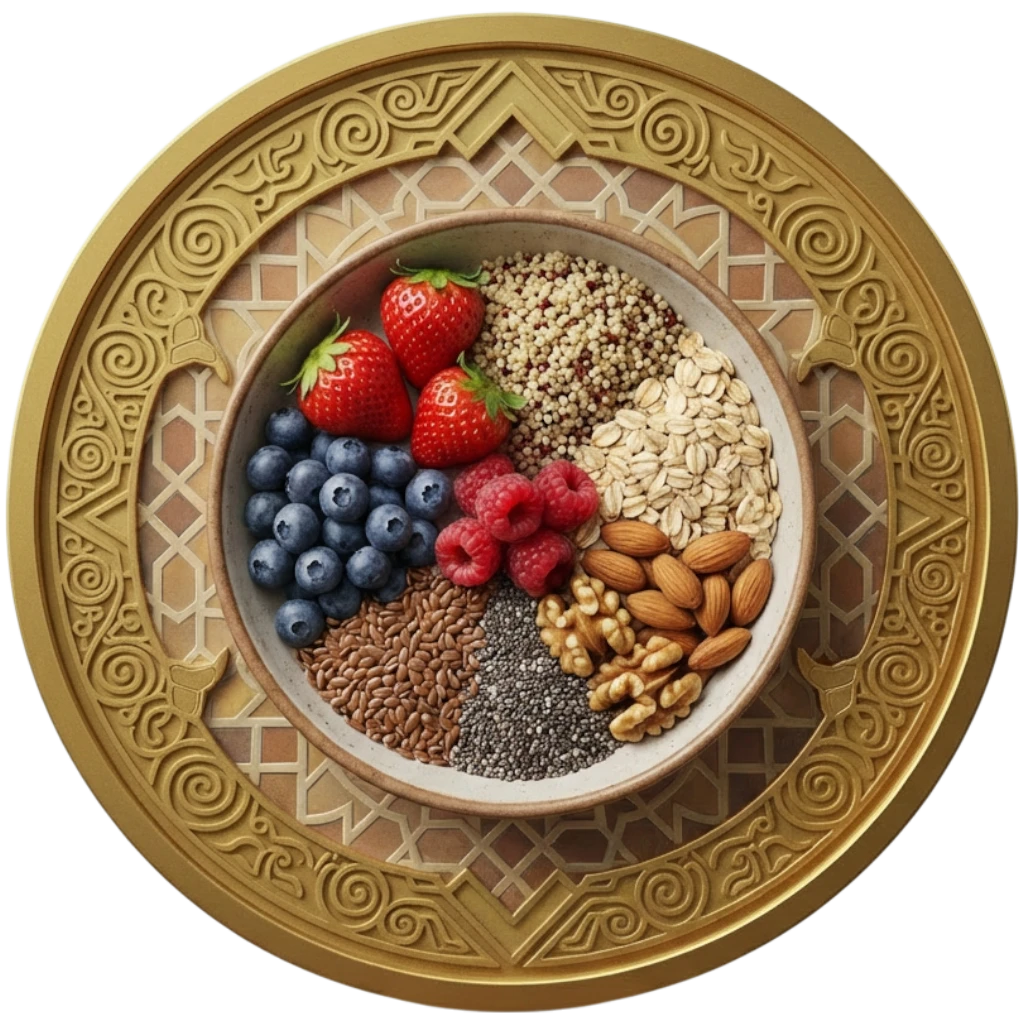 Qur'anic emphasis on wholesome foods can be framed with modern dietary guidance: diets rich in plant foods, fiber and healthy fats reduce chronic disease risk.
Quran References:
Modern Research:
Category:
Islamic Health & LifestyleNeuroprotective & cognitive claims (traditional herbs vs evidence)
 Some traditional remedies (e.g., Nigella sativa) show neuropharmacological signals in preclinical and small clinical studies; robust large RCTs remain limited.
Quran References:
Hadith References:
Modern Research:
Category:
Prophetic Medicine & HealingMaternal health — pregnancy guidance and perinatal care
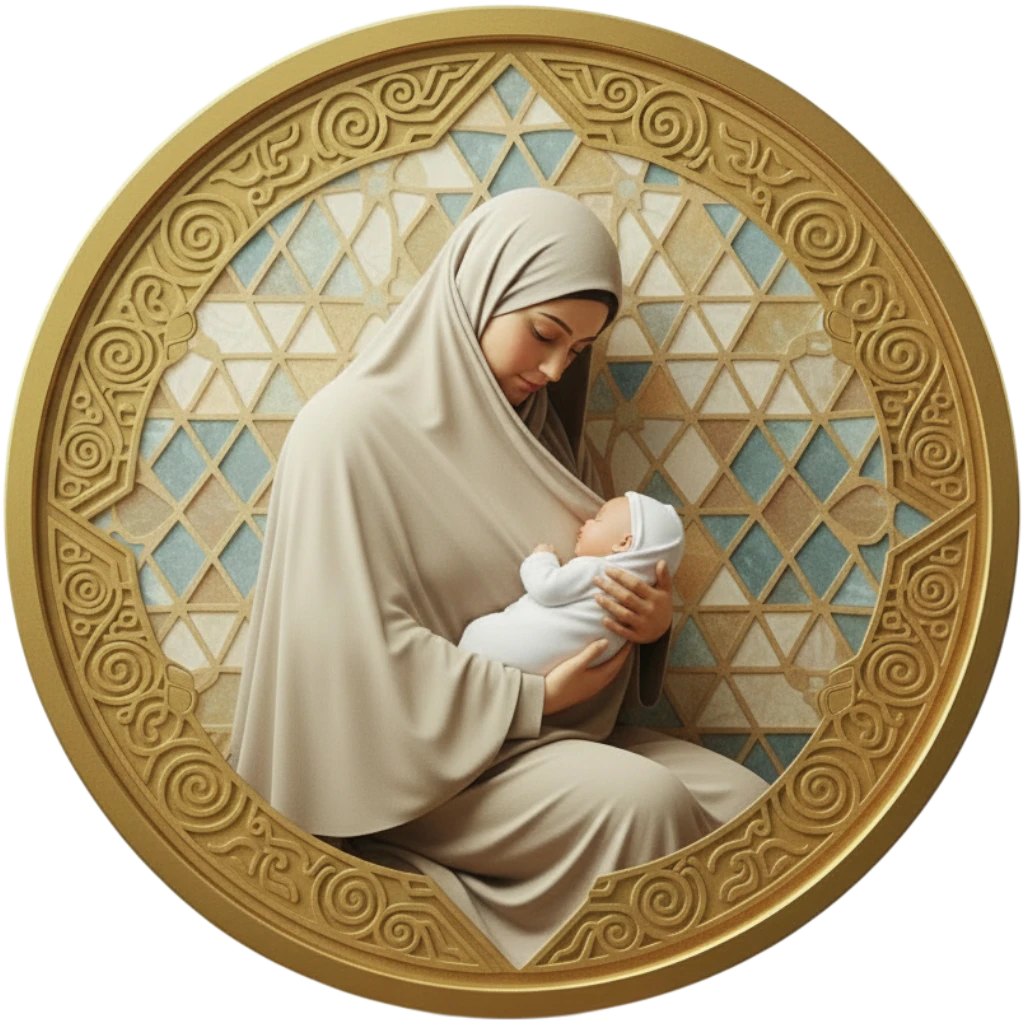 Islamic texts highlight maternal sacrifice and care; contemporary research focuses on maternal nutrition, breastfeeding and perinatal health outcomes — areas where scriptural attention aligns with public health priorities.
Quran References:
Modern Research:
Category:
Islamic Health & LifestyleEnvironmental health — stewardship and wellbeing
 Qur'anic ethical instruction about moderation and stewardship can be linked to planetary health and policies that impact community wellbeing and environmental determinants of health.
Quran References:
Modern Research:
Category:
Islamic Health & LifestyleRuqyah & Spiritual Healing — scope & clinical observations
 Ruqyah involves Quranic recitation and supplication as healing. Clinical-psychological studies link spiritual interventions to reductions in anxiety/depressive symptoms among believers, but emphasize integration with standard care.
Quran References:
Hadith References:
Narration :The Prophet permitted Ruqyah (Qur'anic healing) when free from shirk (association).
Modern Research:
Category:
Prophetic Medicine & HealingDigestive health — fermented foods and traditional diets
 Traditional diets and some fermented foods consumed in Islamic lands have prebiotic/fermentation benefits; modern research explores microbiome-mediated health effects of dietary patterns.
Hadith References:
Modern Research:
Category:
Prophetic Medicine & HealingExercise & Physical Wellbeing — body as trust (amanah)
 Islamic ethical frameworks on stewardship of the self support active lifestyle recommendations; evidence links regular activity with prevention of chronic diseases.
Quran References:
Hadith References:
Narration :The Prophet encouraged strength and health (narrations about physical fitness and preparedness).
Reference :Sahih and Sunan collections (general)
Modern Research:
Category:
Islamic Health & LifestyleSkin & Cosmetic Traditions — oils, scents and safety
 Traditional topical applications (oils, scents) are culturally relevant; modern safety and dermatologic studies evaluate benefits/irritation risks and medical applications (e.g., medical oils).
Quran References:
Hadith References:
Narration :Use of perfumes and oils in prophetic practice; guidance emphasizes cleanliness and moderation.
Modern Research:
Category:
Islamic Health & LifestyleQuarantine and Epidemic Prevention — Hadith
 This Hadith recommends isolation during epidemics. Modern epidemiology confirms quarantine and movement restrictions effectively limit disease transmission, showing alignment between prophetic guidance and contemporary public health practices.
Hadith References:
Narration :If you hear that there is an outbreak of plague in a land, do not enter it; and if it occurs in a land where you are, do not leave it.
Modern Research:
Category:
Prophetic Medicine & HealingZamzam water — composition & hydration
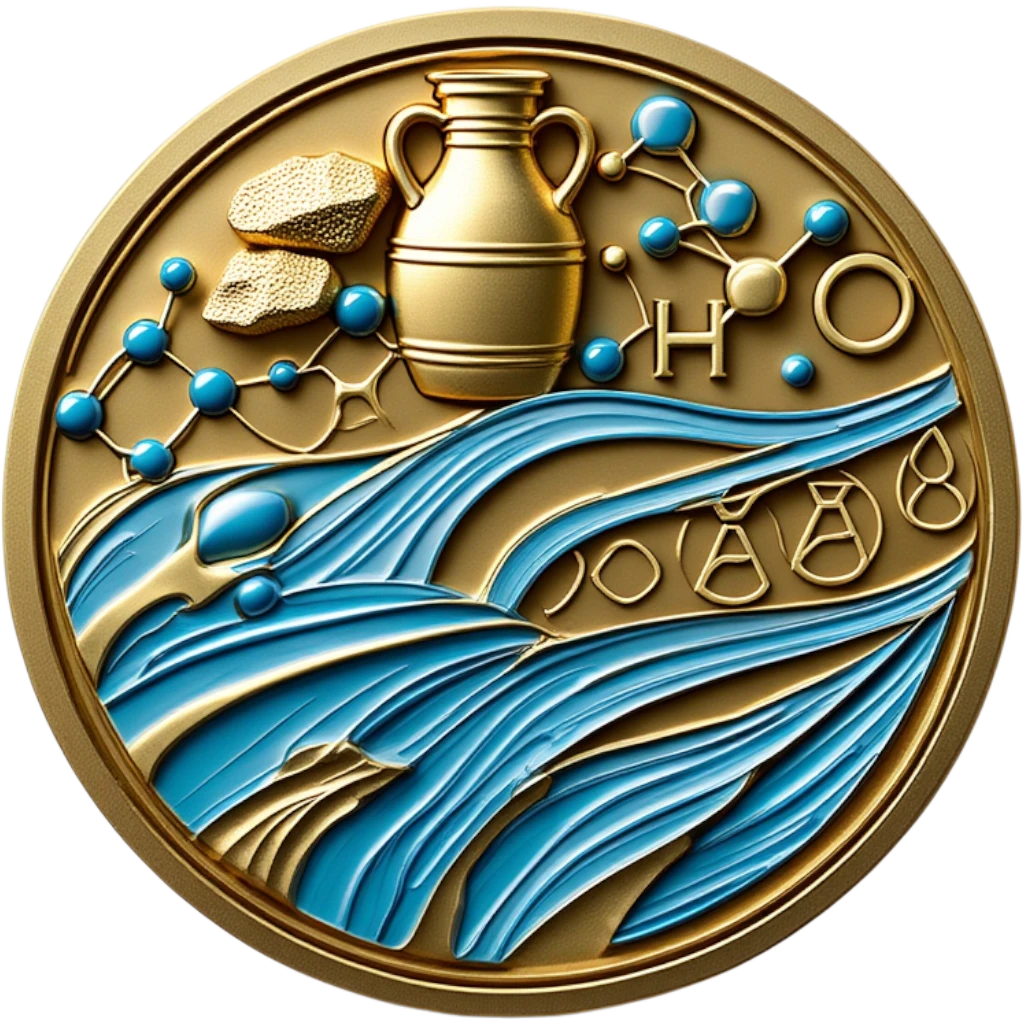 Zamzam water, sourced from the sacred well in Makkah, is described by the Prophet ﷺ as blessed and beneficial for the intention with which it is consumed. Scientific studies reveal that Zamzam water has an alkaline pH (~8), high mineral content (Ca, Mg, Na, K, HCO₃), and total dissolved solids around 800 mg/L. Modern analyses confirm its microbiological safety and rich electrolyte balance, making it hydrating and nutritionally valuable. Animal and lab studies indicate antioxidant, tissue-protective, and metabolic benefits, aligning with its traditional reputation as a uniquely pure and health-supporting water.
Hadith References:
Narration :The Prophet (ﷺ) said: 'The water of Zamzam is for whatever purpose it is drunk for.'
Modern Research:
Category:
Prophetic Medicine & HealingPrayer / Devotional Practice — coping with stress & improved well-being
 A body of research on prayer/meditation indicates moderate benefits for stress reduction, coping, and mental health. Mechanisms include activation of relaxation response, social support, and meaning-making — all of which are consistent with Qur'anic/hadith encouragement of remembrance and reliance on Allah.
Quran References:
Modern Research:
Category:
Faith Meets Modern ResearchQur'anic recitation / Dhikr — mental health, anxiety, stress reduction
 Studies (systematic reviews and trials) show listening to or reciting the Qur'an and structured dhikr interventions can reduce anxiety and improve mental well-being (e.g., in preoperative settings, cancer patients, and the elderly). Prayer and devotional practices more broadly are associated with stress buffering in several studies.
Quran References:
Modern Research:
Category:
Faith Meets Modern ResearchIron Sent Down — Cosmic Origin
 The Qur’an states that iron was 'sent down', which classical scholars interpreted as a divine blessing and provision. Modern astrophysics demonstrates that iron is not formed on Earth; it originates from high-energy stellar processes such as supernova explosions and neutron-star collisions, before being delivered to forming planets. This aligns with the concept that iron was 'sent down' to Earth. Trace iron in primordial cosmic dust, meteorites, and planetary accretion supports this phenomenon. Thus, modern cosmology and nuclear astrophysics affirm the Qur’anic description of iron’s extraordinary extraterrestrial origin and its vital role in human civilization.
Quran References:
Hadith References:
Narration :Allah sent down iron...
Modern Research:
Category:
Faith Meets Modern ResearchDua Changes Fate — Supplication & Divine Decree
 The Qur’an commands believers to call upon Allah, promising response. Prophetic teachings state that supplication can shape destiny and repel hardship. While divine decree is metaphysical and beyond empirical measurement, modern psychology and neuroscience research show that sincere prayer and spiritual supplication significantly influence emotional resilience, coping ability, stress response, and decision-making clarity — all mechanisms through which life outcomes can change. These findings align with the belief that dua has real effects in altering the course of one’s life through spiritual and tangible pathways.
Quran References:
Hadith References:
Narration :Nothing increases one's lifespan but righteousness, and nothing repels destiny but supplication.
Modern Research:
Category:
Faith Meets Modern ResearchOceanography & Deep Sea Darkness
 The Qur’an describes the vast seas and the hidden depths (‘two seas’, unseen layers). Modern oceanography finds that large portions of the ocean lie in perpetual darkness, beyond the sunlit photic zone, where unique life and ecosystems exist, light penetration is minimal, and bioluminescence replaces sunlight. Scientific studies on the dark ocean illustrate how the deep sea is a hidden realm with its own rules, aligning with the Quranic references to the unseen depths. This harmony invites reflection on creation’s layers and the scale of Earth’s water bodies.
Quran References:
Modern Research:
Category:
Faith Meets Modern ResearchDua / Gratitude / Patience — Behavioral Science Insights
 The Qur’an encourages gratitude (‘if you are grateful I will increase you’) and seeking help through patience and prayer. The Sunnah emphasises patience as a supreme virtue. Behavior science confirms that gratitude interventions improve mental health (less anxiety, more positive mood), and patience correlates strongly with better psychological well-being and resilience. These findings align with the revealed guidance on dua, gratitude, and patience: spiritual practices that shape behavior, emotion, and life outcomes.
Quran References:
Hadith References:
Narration :Whoever practices patience, Allah will give him patience and no one is given a better and more abundant gift than patience.
Modern Research:
Category:
Faith Meets Modern ResearchFrequently Asked Questions About Quran and Modern Science
How does the Qur’an relate to modern science?
The Qur’an encourages observation, reflection, and understanding of the natural world. While it is not a science textbook, its verses invite thoughtful inquiry that aligns with the spirit of scientific exploration.
Does Islam conflict with modern scientific discoveries?
Islam does not inherently conflict with science. Islamic teachings support the pursuit of knowledge and learning about the universe while maintaining spiritual and ethical principles.
Can Qur’anic teachings and modern research complement each other?
Yes. The Qur’an provides spiritual and moral guidance, while modern research offers empirical understanding. Together, they can complement one another without replacing the role of scientific methodology.
Is the Qur’an presented as a scientific manual on this page?
No. This section does not present the Qur’an as a scientific reference book. Instead, it highlights conceptual harmony between Qur’anic guidance and established scientific understanding.
What topics are explored under Qur’an and Modern Science on Alim.org?
Topics include health and wellness, Prophetic medicine, reflection on nature and the universe, human wellbeing, and how faith-informed perspectives intersect with contemporary research.